Montenegro: A Land of Contrasting Beauty
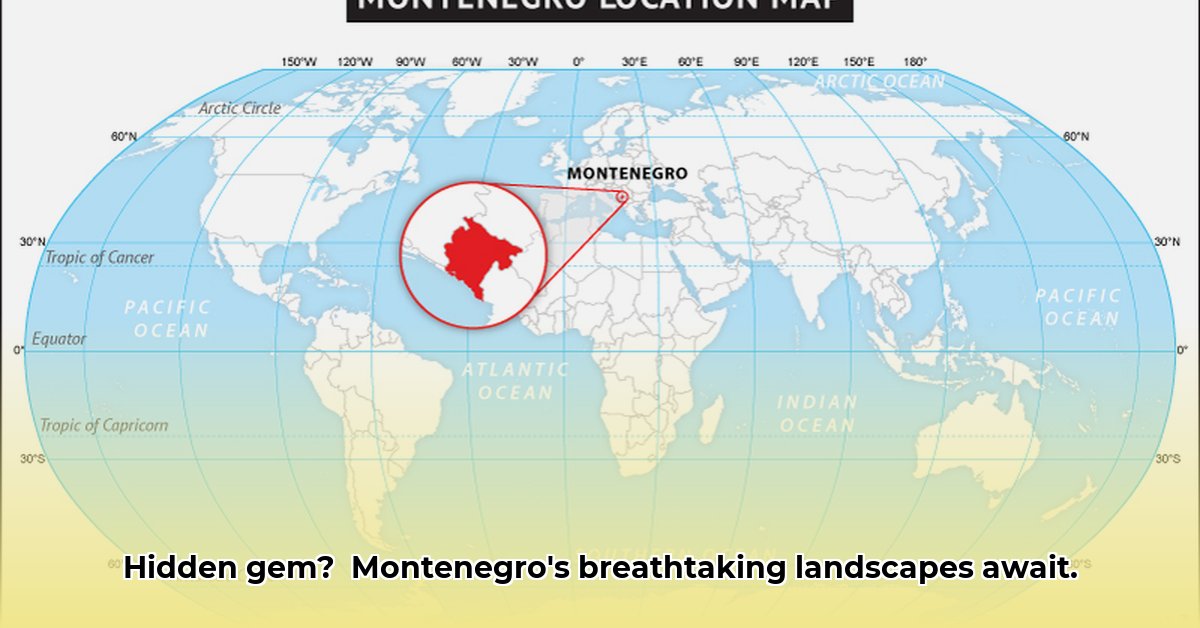
Montenegro, a Southeastern European nation barely larger than Connecticut, packs a geographical punch far exceeding its size. Imagine a land sculpted by millennia of tectonic forces, where soaring mountains meet the impossibly blue Adriatic Sea. This dramatic interplay of land and sea shapes not only the breathtaking landscapes but also the lives and livelihoods of its people. How has this unique geography influenced Montenegro's history, culture, and future? Let's embark on a journey to discover the answers. To learn more about Montenegro's location, check out this helpful resource: Montenegro location.
A Kingdom of Mountains: Durmitor and Beyond
The northern heart of Montenegro beats strong within its imposing mountains. Dominating this region is the Durmitor massif, a UNESCO World Heritage site and a testament to nature's raw power. Picture jagged peaks piercing the sky, their limestone faces weathered by centuries of wind and rain, creating a landscape of almost unimaginable beauty. These aren't mere scenic backdrops; they are the very foundation of Montenegrin life, influencing weather patterns, and shaping the economic activities of its inhabitants. Hiking trails weave through dense forests, leading to hidden waterfalls and pristine glacial lakes—a true adventurer's paradise. Did you know that the Durmitor range is believed to have significantly influenced Montenegrin history, shaping migration patterns and providing natural defensive barriers? Ongoing geological research continues to uncover fascinating insights into the country's rich past.
Coastal Delights: The Bay of Kotor's Embrace
Journey southward, and the landscape undergoes a breathtaking transformation. The Bay of Kotor, a stunning fjord carved by ancient glaciers, unfolds like a shimmering ribbon of sapphire. Considered one of the world's most beautiful bays, it's a scene that transcends photography – a living postcard where picturesque towns, their terracotta roofs cascading down towards the intensely blue waters, cling precariously to the cliffsides. This picturesque paradise, however, is not without its challenges. Montenegro's economy heavily relies on tourism within the Bay of Kotor, creating a delicate balance between economic prosperity and ecological preservation. Numerous environmental groups actively collaborate with local communities to promote sustainable practices, striving to safeguard this precious ecosystem for generations to come. The ongoing debate about effective strategies highlights the complexity of balancing tourism with environmental protection.
Lake Skadar: A Freshwater Jewel
Turning inland, Lake Skadar, the largest lake in the Balkans, offers a tranquil counterpoint to the dramatic coastline and mountains. Imagine vast, serene waters reflecting the surrounding landscape, creating a palpable sense of peace and tranquility. This vital ecosystem serves as a haven for diverse birdlife and a crucial resource for neighboring communities. The lake's gentle rhythms present a peaceful escape, a chance to reconnect with the slower pace of nature. However, the inherent tension between the needs of local populations and the imperative to preserve the lake's biodiversity poses a considerable challenge. The ongoing research and debate surrounding sustainable development strategies in this region reflect the importance of finding a harmonious balance.
Navigating the Challenges: Opportunities for a Sustainable Future
Montenegro's geography presents a fascinating blend of opportunities and challenges. The mountainous terrain, while creating transportation difficulties and isolating some communities, also fuels the burgeoning adventure tourism sector, particularly eco-tourism. The stunning coastline attracts millions, but this very appeal necessitates careful management to prevent over-tourism and pollution. But it's not just about managing the challenges; it's about embracing the opportunities. The government actively works to improve infrastructure in mountainous regions while simultaneously promoting sustainable tourism and environmental protection. This delicate balance requires thoughtful planning, and Montenegro's success will depend on its ability to navigate this complex equation.
Montenegro's Geographical Strengths and Weaknesses
Strengths:
- Stunning natural beauty: Diverse landscapes attracting significant tourism revenue.
- Rich biodiversity: Provides numerous opportunities for ecotourism and conservation efforts.
- Strategic location: Connects Europe and the Balkans, offering potential for trade and transit.
Weaknesses:
- Challenging terrain: Hinders infrastructure development and transportation, isolating some communities.
- Over-reliance on tourism: The economy is vulnerable to external shocks, such as economic downturns or environmental disasters.
- Limited resources: Constraints on infrastructure development and environmental protection initiatives.
A Future in Balance: The Path Forward
Montenegro's future hinges on its ability to find a harmonious balance between development and environmental preservation. The ongoing efforts to improve infrastructure in the mountainous regions, coupled with investments in sustainable tourism and environmental protection initiatives, demonstrate a commitment to a sustainable future. This dynamic interplay between challenges and opportunities presents a compelling case study in responsible development, showcasing how a nation can strive to preserve its unique heritage while securing economic prosperity. The journey continues, a story of adaptation and resilience, where the beautiful and the challenging intertwine to shape Montenegro's destiny.